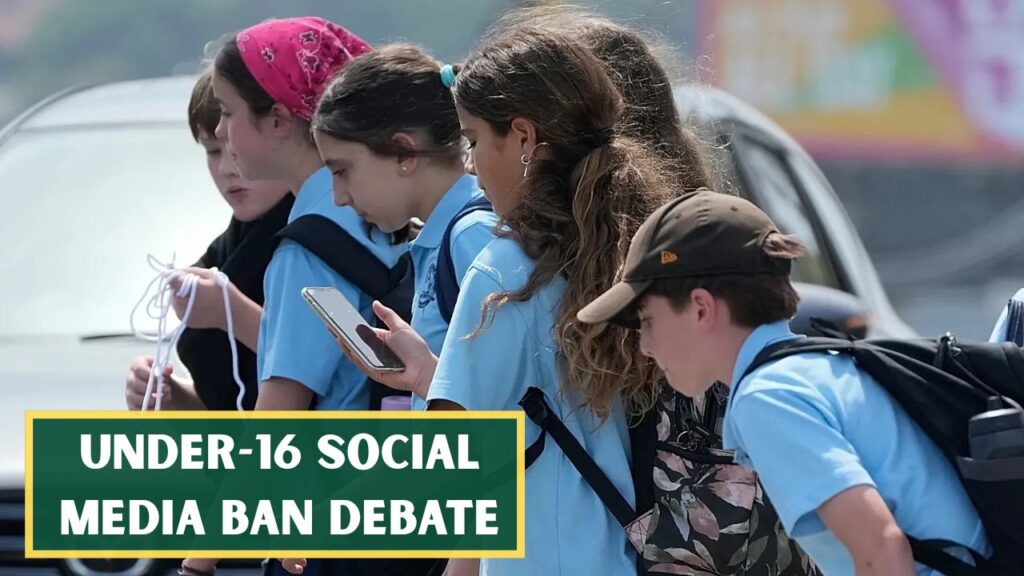
The idea of banning social media for children under 16 has become a hot-button issue in recent years. As lawmakers, parents, educators, and tech companies weigh the pros and cons, the debate raises important questions about safety, development, rights, and responsibility. This article explores the key arguments on both sides and offers practical considerations for moving forward.
Why the Ban Is Being Discussed
Parents & lawmakers want to ban social media for young people because of many different worries. News stories about mental health problems and online bullying have made people pay more attention to these platforms. Reports also show that kids see dangerous content and that apps are designed to be addictive. Politicians say that children are still growing and learning how to interact with others. This means they can be easily manipulated & hurt emotionally when they use these sites.
Technological improvements now make it simpler to build age verification systems & parental control tools. Some supporters think a legal restriction preventing anyone under 16 from using social media would create a definite rule that can be enforced to protect young people. This approach could work while other methods of regulation continue to develop & improve over time.

Arguments in Favor of a Ban
# Arguments for Banning Smartphones in Schools
People who support banning smartphones in schools usually focus on three main areas: keeping students safe protecting their mental and physical health, and making sure they can develop properly during their school years.
Safety Concerns
Supporters argue that smartphones can create security problems in schools. When students have constant access to their devices, it becomes harder for teachers and administrators to monitor what they are doing online. Students might encounter cyberbullying inappropriate content, or contact with strangers. During emergencies, having hundreds of students on their phones can actually make situations worse by spreading panic or interfering with official communication channels.
Mental & Physical Well-Being
Research shows that excessive smartphone use can harm young people in several ways. Students who spend too much time on their devices often experience higher levels of anxiety and depression. Social media platforms can make them feel inadequate when they compare themselves to others. The constant notifications & urge to check their phones can also increase stress levels. Physical health suffers too. Students who use smartphones frequently tend to get less sleep because they stay up late scrolling through apps. Poor sleep then affects their ability to concentrate and learn during the day. Extended screen time can also lead to eye strain, headaches, and poor posture.
Developmental Needs

Young people need to develop important social skills during their school years. When students rely on smartphones for communication they miss out on face-to-face interactions that teach them how to read body language, have meaningful conversations, and build genuine relationships. These skills are essential for success in both personal life and future careers. Smartphones can also prevent students from developing self-discipline and the ability to focus for extended periods. Learning requires sustained attention, but smartphones train the brain to expect constant stimulation & quick rewards. This makes it harder for students to engage with challenging material or complete tasks that require patience & persistence.
- Protection from harmful content that may be violent, sexual, or inappropriate.
- Mental health concerns, including links to anxiety, depression, and sleep disruption.
- Prevention of addictive behaviors driven by engagement-maximizing design features.
- Reduced exposure to cyberbullying and online predators.
- Simplicity and clarity through a clear legal age limit.
Arguments Against a Ban
# Concerns About a Complete Ban
Opponents argue that a total ban might create more problems than it solves. They point to several ethical and practical concerns that could arise from such a policy. Critics worry that banning something entirely often backfires. When authorities prohibit an activity completely people may find ways around the rules. This can push the behavior underground where it becomes harder to monitor & regulate. The lack of oversight might actually make situations more dangerous rather than safer. There are also questions about individual rights & freedoms. Some people believe that adults should have the ability to make their own choices even if those choices carry some risk. A blanket prohibition removes personal autonomy and treats everyone the same regardless of their circumstances or ability to handle responsibility. From a practical standpoint enforcement becomes a major challenge. Police & regulatory agencies would need significant resources to catch violators. Courts would face increased caseloads. The system might become overwhelmed trying to prosecute people for activities that were previously legal. Another issue involves unintended consequences. When one option gets banned people often turn to alternatives that might be worse. The substitute choices could be less safe or less regulated than the original option. This substitution effect has been observed in many areas where bans have been implemented. Economic factors also come into play. Industries and workers who depend on the activity would lose their livelihoods. Communities might suffer job losses and reduced tax revenue. The economic disruption could be substantial especially in areas where the activity represents a significant part of the local economy. Some experts suggest that education & regulation work better than outright bans. Teaching people about risks and implementing safety standards might achieve the desired goals without the negative side effects of prohibition. This approach respects individual choice while still protecting public welfare.
- Limits on communication, learning, creativity, and civic engagement.
- Difficulty enforcing rules due to workarounds like fake accounts or VPNs.
- Risk of widening the digital literacy gap by delaying exposure and education.
- Concerns about rights, autonomy, and freedom for older teenagers.
- Potential harm to marginalized youth who rely on online support networks.
Middle-Ground Approaches
Rather than an absolute ban, several less extreme strategies are widely discussed:
- Age-appropriate design with safer default settings for younger users.
- Stronger age verification and improved moderation tools.
- Expanded parental controls paired with guidance and education.
- Gradual, supervised access combined with digital literacy education.
- Greater platform liability for harms affecting minors.
Considerations for Policymakers
If governments decide to act they need careful policy design to avoid unintended consequences. When officials create new rules they must think through all possible outcomes. Poor planning can lead to problems that nobody expected or wanted. A thoughtful approach helps prevent these negative side effects from happening in the first place. Policymakers should study similar programs from other regions before implementing changes. They need to consult with experts who understand the specific issues at hand. Testing policies on a small scale first allows governments to identify flaws before rolling them out widely. Clear objectives matter when designing any government intervention. Officials must define what success looks like and establish ways to measure progress toward those goals. Without concrete targets it becomes difficult to know whether a policy actually works. Flexibility is important because circumstances change over time. Policies that made sense initially might need adjustments as new information becomes available. Building in review periods allows governments to modify approaches based on real world results. Communication with affected groups helps identify potential problems early. When people understand why changes are happening they are more likely to support them. Transparency about decision making processes builds public trust in government actions. The cost of implementation deserves serious consideration. Even well intentioned policies can fail if they require resources that are not available. Governments must ensure they have the funding and personnel needed to carry out their plans effectively. Coordination between different government departments prevents conflicting rules and wasted effort. When agencies work together they can share information and avoid duplicating work. This cooperation leads to better outcomes for everyone involved.
- Base decisions on strong, up-to-date research.
- Coordinate internationally to reduce loopholes.
- Protect privacy during any age-verification process.
- Ensure policies are inclusive and do not isolate disadvantaged groups.
- Review and adapt rules as evidence and technology evolve.
Practical Advice for Parents and Educators
While policy debates continue, adults can take immediate steps to support young people:
- Have open conversations about online risks and responsible behavior.
- Set clear and consistent rules around screen time and content.
- Teach critical thinking and media literacy skills.
- Use available parental controls and privacy settings.
- Encourage offline activities and healthy sleep habits.
Conclusion
The discussion about banning social media for people under 16 shows a bigger conflict between keeping young people safe and getting them ready for life online. A complete ban might seem simple & could protect children right away but it would be hard to enforce and might cause unexpected problems. Better solutions would mix rules with education and make social media companies take responsibility because this approach has a stronger chance of working well over time.