Australia’s welfare system is changing in important ways. Starting in 2026, everyone who receives Centrelink payments will need to go through new verification steps. The government wants to update the system & make sure benefits go to people who actually need them. If you get any kind of Centrelink payment right now, these changes will affect how you prove you qualify & how you deal with the system. This article explains what you should know about the Centrelink verification changes that start in 2026. The government is introducing these new rules to reduce fraud & make sure taxpayer money is spent properly. The changes will apply to all types of Centrelink payments including JobSeeker, Age Pension, Disability Support Pension and Family Tax Benefits. Recipients will need to provide more documentation and go through regular checks to keep receiving their payments. The new verification process will use digital technology to check information automatically. Centrelink will compare data from different government agencies and other sources to confirm that people still meet the requirements for their payments. This means the system will check your income, assets and living situation more often than it does now. You will need to make sure your personal information is current and accurate in the Centrelink system. This includes your address, bank details income from work and any changes to your family situation. If the automated checks find differences between what you reported and what other records show Centrelink will contact you to explain the discrepancy. The verification system will also require identity checks using biometric data or digital identity verification. This adds another layer of security to prevent people from claiming benefits fraudulently. You may need to verify your identity through the myGov app or by visiting a service center in person. These changes mean you should keep good records of your financial situation and any life changes that might affect your payments. Save copies of payslips, bank statements & other documents that prove your circumstances. Being organized will help you respond quickly if Centrelink asks for information.
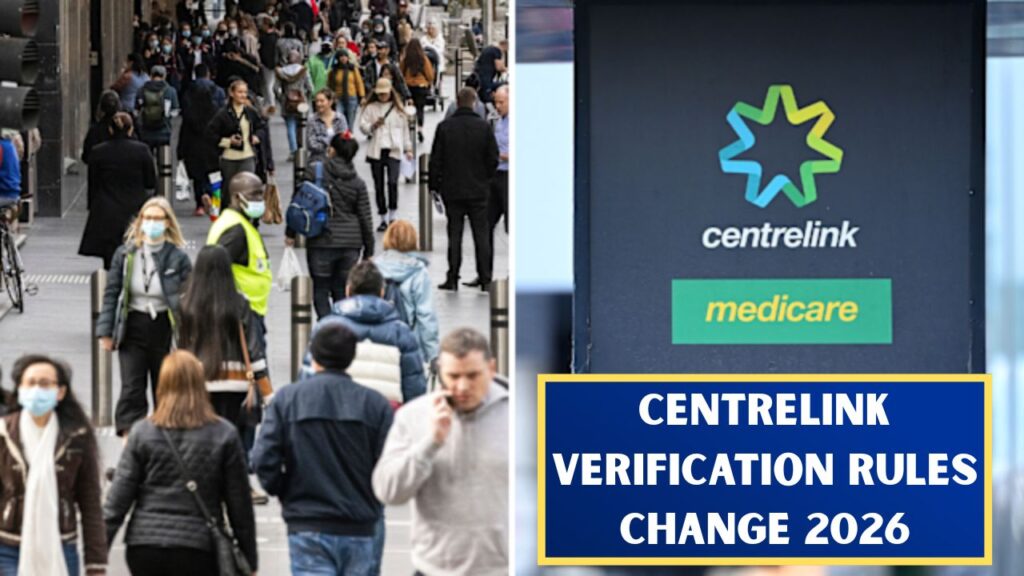
What the Centrelink Verification Shake-Up Involves
In a bid to streamline and modernize Australia’s welfare system, Centrelink is rolling out a new verification framework. This overhaul will introduce a series of digital checks that all recipients will be required to complete periodically. The government’s goal is to reduce administrative costs, improve accuracy, and simplify the process for recipients.
Here’s what these changes will involve:

- Digital Identity Confirmation: One of the key elements of the new system is the shift to digital identity verification. This will reduce the need for in-person visits to Centrelink offices. Instead, recipients will be required to confirm their identity through digital platforms, likely myGov, which will be linked to biometric verification options.
- Automated Income Reporting: The new system will integrate automated income reporting with the Australian Taxation Office (ATO). This integration aims to simplify the reporting process by automatically syncing income data from your tax records, reducing the need for recipients to manually submit income details.
- More Frequent Eligibility Reassessments: The government plans to reassess eligibility more frequently. This will likely involve quarterly or bi-annual prompts to verify your details, rather than the current annual process. Recipients will receive automated reminders through myGov, prompting them to confirm their circumstances remain unchanged.
- Simplified Digital Interface: The new digital system will replace traditional paper-based forms with a streamlined interface, making it easier for recipients to confirm their details. Instead of filling out extensive paperwork, recipients will simply need to complete a few clicks on myGov to verify their eligibility.
Why These Changes Are Being Implemented
The current Centrelink verification system has been in place for over a decade and is in need of an update. Government officials have cited several reasons for these changes, which aim to reduce inefficiencies and improve the accuracy of benefit distribution.
- Inefficiencies and Errors: The current system is largely paper-based and manual, leading to inefficiencies and errors in processing. The government has identified opportunities to reduce human error and streamline operations by shifting to digital verification.
- Cost Savings: The new system is expected to save taxpayers millions of dollars by reducing administrative costs and eliminating incorrect payments. By automating parts of the process and ensuring more accurate eligibility checks, the government aims to run a more efficient welfare system.
- Digital-First Government Strategy: The move towards a digital-first approach aligns with broader government initiatives to modernize service delivery across all departments. The shift to digital services is intended to make it easier for Australians to access government benefits and services while reducing the reliance on paper forms and face-to-face interactions.
- Increased Precision and Efficiency: Officials have emphasized that these changes are not about reducing legitimate claims but ensuring that Centrelink operates with greater precision. The goal is to ensure benefits are going to those who truly need them, while eliminating fraud and errors in the system.
How and When the New Checks Will Roll Out
The new verification system won’t be implemented all at once. Instead, there will be a gradual rollout beginning with a pilot program in selected regions during late 2024. This program will test the system on a smaller scale before it is expanded nationwide.
By 2025, the government plans to expand the system to all regions across Australia. Then, by mid-2026, all Centrelink recipients will be transitioned to the new verification requirements.
Understanding the Upcoming Changes
Here’s what you need to know about how these changes will happen. The new system will roll out in several stages over the coming months. Each phase brings specific updates that affect different parts of the organization.
Phase One: Initial Setup
The first stage focuses on getting the basic infrastructure ready. Teams will receive training on new tools and processes. This preparation period lasts about six weeks and gives everyone time to adjust.
Phase Two: Partial Implementation
During this stage the company will test the new system with select departments. These pilot groups will use the updated processes while providing feedback. Any problems discovered during testing get fixed before moving forward.
Phase Three: Full Rollout
After successful testing the changes expand to all departments. Everyone transitions to the new system at this point. Support staff will be available to help with any questions or technical issues.
Phase Four: Review & Adjustment
The final stage involves evaluating how well the changes work. Managers collect feedback from employees and identify areas needing improvement. The company makes necessary adjustments based on this information.
Timeline Expectations
The entire process takes roughly four to six months from start to finish. Some departments may complete their transition faster than others depending on their specific needs and complexity.

What This Means for You
You should expect some learning curve as you adapt to new procedures. Training sessions will help you understand what changes and how to handle your daily tasks under the new system. Management encourages questions and will provide resources to make the transition smoother. The goal is to improve efficiency while minimizing disruption to regular operations.
- Pilot Program (Late 2024): The first stage of the rollout will involve testing the new system in select areas. This will give the government time to address any issues and ensure the system functions as intended before it is expanded nationwide.
- Nationwide Expansion (2025): After the pilot program, the system will be gradually introduced across the country. By 2025, recipients in most regions will be required to use the new digital verification methods.
- Full Transition by Mid-2026: All Centrelink recipients will be fully transitioned to the new system by mid-2026. At this point, all recipients will be expected to complete digital identity verifications and automated income reporting through myGov.
The government will send personalized letters to recipients about six months before the new system starts. This advance notice gives people enough time to get ready for the changes.
Example: The Experience of an Age Pension Recipient
Picture a person receiving the Age Pension who now confirms their details once each year by filling out a paper form. With the new system they will get automated reminders four times a year through myGov asking them to check their information. The person will log into their myGov account & see a simple digital screen. Rather than completing a long form they will just need to click a few buttons to confirm that nothing has changed.
This shift will likely save time for recipients, as they won’t need to visit Centrelink offices or submit paperwork manually. It also ensures that the information provided is up-to-date and accurate, reducing the chances of overpayments or errors.
What to Expect From the New System
The New Centrelink Verification System
The new Centrelink verification system is designed to make things easier for people who receive payments. It also helps improve how accurate & efficient welfare services are. Here is what you need to know.
Simpler Process for Recipients
The system removes many of the complicated steps that used to slow things down. Recipients will find it easier to verify their identity and submit required documents. The goal is to reduce the time people spend dealing with paperwork and waiting for approvals.
Better Accuracy
The updated system uses modern technology to check information more carefully. This means fewer mistakes when processing claims & payments. When the system can verify details automatically it reduces the chance of errors that could delay your payments or cause other problems.
Faster Service
One of the main benefits is speed. The new verification methods allow Centrelink to process applications and updates much faster than before. What used to take weeks might now take only days. This means recipients can get their payments sooner and with less stress.
What This Means for You
If you receive Centrelink payments you should notice improvements in how quickly your information gets processed. The system will ask for less repetitive information since it can now access & verify data from other government sources. You will spend less time on administrative tasks & more time focusing on what matters to you. The changes represent a significant upgrade to how Centrelink operates & should make the experience better for everyone who relies on these services.
- Fewer In-Person Visits: With digital identity verification and automated reporting, recipients will have fewer reasons to visit Centrelink offices. This should save time and reduce the stress associated with in-person appointments.
- More Frequent Eligibility Checks: You can expect to verify your information more frequently—likely every three to six months—rather than once a year. While this may seem like an inconvenience, the government has emphasized that these checks will be easy to complete through myGov.
- Improved Accuracy: With automated income reporting and digital verification, the new system aims to reduce errors and improve the overall accuracy of benefit distribution. This will help ensure that only those who qualify for Centrelink payments will receive them.
- Clear Communication and Support: The government has promised to provide clear communication about these changes and offer support for recipients who may have trouble navigating the new system. Dedicated helplines and in-person assistance will be available to ensure a smooth transition.
Conclusion
The Centrelink verification changes coming in 2026 will transform how Australians deal with the welfare system. The government plans to introduce digital verification methods to make benefit payments more accurate and efficient while reducing costs for taxpayers. The switch to this new system will happen gradually. Recipients will find the process easier with less paperwork and simpler verification steps. Anyone who gets Centrelink payments should keep up to date with these changes and get ready for the new requirements that start in 2026.