For millions of Australians who rely on Centrelink payments to cover everyday essentials, the start of 2026 brings a shift that feels different from previous years. Instead of another small, almost invisible increase, a stronger uplift is now locked in. From 12 February 2026, payment rates across several major Centrelink programs will rise, leaving many recipients up to $1,200 better off over the year.
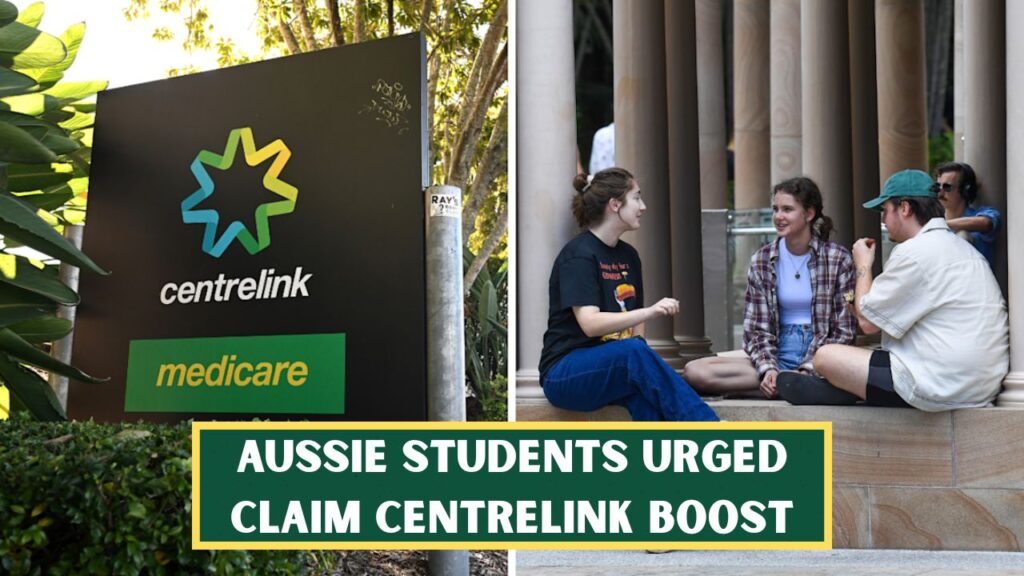
This is not a one time bonus or a temporary supplement. It is a permanent increase to fortnightly payments, designed to provide steadier and more reliable support as living costs continue to rise. For households that count every dollar, this change marks a clear move away from long criticised modest increases.
What Changes From 12 February 2026
The February 2026 update is part of Australia’s regular indexation cycle, but this round reflects higher cost pressures than in recent years. Payment rates are being adjusted more noticeably to better match real world expenses.

Starting on 12 February recipients will receive higher base payment rates every fortnight. When calculated over a full year these increases can total approximately $1200 for some individuals. The increase is permanent which means it raises the ongoing payment level rather than providing temporary assistance. In some situations related supplements and allowances will also increase and certain income and asset thresholds will be adjusted slightly.
All changes are applied automatically through Centrelink, administered by Services Australia. Recipients do not need to submit new claims or forms.
Who Benefits From the Increase
Not every recipient will receive the full $1,200 over the year, but a wide range of payment types are affected. The increase applies across pensions, allowances, and support payments relied on by millions.
Payments expected to benefit include the Age Pension, Disability Support Pension, JobSeeker Payment, Parenting Payment, Youth Allowance, Carer Payment, Carer Allowance, and Commonwealth Rent Assistance. Some recipients will see most of the increase through their base payment, while others receive a combination of base rate and supplement increases.
The effect on couples varies based on whether the government calculates payments for each person separately or treats them as one household unit. People who live alone & those who rent their homes typically see the most noticeable improvement. This is especially true when rent increases have left them with less money to spend on other things.
How the $1,200 a Year Is Calculated
The maximum amount of $1200 does not arrive as a single payment. Instead it results from steady increases distributed throughout the year.
A fortnightly rise of roughly $45 to $50 may appear modest, but when multiplied across 26 fortnights it approaches or exceeds $1,200 annually. Even smaller increases make a meaningful difference once locked in permanently.
The actual payment amounts differ based on several factors. These include the type of payment you receive and whether you are single or have a partner. The amounts also depend on whether you qualify for additional supplements. Your assessed income and assets will affect the final payment amount as well.

Why This Increase Is Larger Than Previous Years
For several years, indexation failed to keep pace with everyday expenses. Rent, groceries, power bills, insurance, and healthcare costs increased faster than payments for many households.
The February 2026 adjustment shows that the government understands waiting too long to increase payments causes serious financial problems. Rent has gone up much faster than regular inflation in many places. Food prices stay high and energy & insurance costs keep changing. Older Australians & people with disabilities also deal with growing healthcare expenses.
Before and After February 2026
Before February 2026 many payments went up only a little bit each year. Starting on 12 February the base rates go up much more and stay higher from that point on. The yearly support amounts increase by as much as $1200. Supplements also go up for people who qualify. Some income limits increase as well.
Updated figures appear automatically in Centrelink payment summaries and online accounts.
What Recipients Need to Do
No application is required for the 2026 increase. Payments update automatically from 12 February, and higher amounts appear in MyGov and Centrelink accounts. Bank deposits reflect the increase in the next scheduled payment.
Reporting obligations and mutual requirements remain unchanged. Recipients should ensure their income, assets, and personal details are accurate to avoid overpayments or interruptions.
What This Means for Financial Planning in 2026
Permanent increases matter more than one off bonuses for people living payment to payment. A higher base rate improves budgeting certainty, reduces reliance on emergency support, and offers better protection against future price rises.
The increase will not solve money problems for everyone but it offers better support than previous changes. For millions of Australians February 2026 marks an important move toward a more practical safety net.