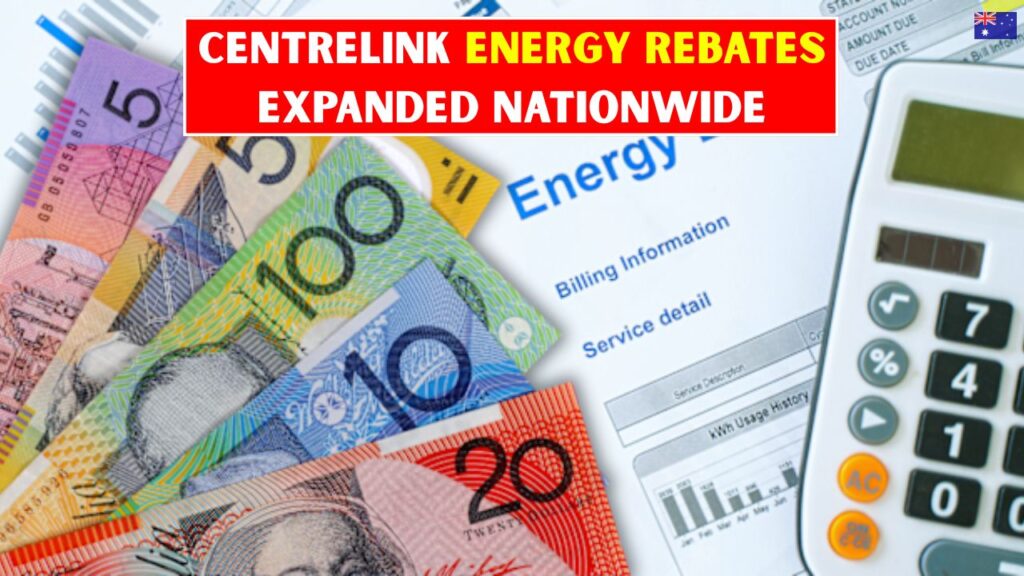
Centrelink Energy Rebates in 2026 will provide broader & simpler electricity bill support for Australian households struggling with rising power costs. The Australian Government is expanding automatic discounts connected to Centrelink payments so eligible residents get help without extra forms. The new system makes access easier and cuts down on delays to ensure financial support arrives when households need it most. These rebates are designed to help families and seniors & low-income earners across Australia manage their energy bills better. The government recognizes that energy prices continue to fluctuate & many Australians need consistent support to keep up with their electricity expenses.
Centrelink Energy Rebates 2026: How Automatic Discounts Work
The 2026 Centrelink Energy Rebates work automatically in the background by applying savings straight to electricity bills. Rather than requiring separate claims the rebates activate automatically when household information matches Centrelink records. This system focuses on eligible households that already receive support payments to ensure faster power bill relief during periods of high energy use. The integration of Centrelink-linked payments with energy providers eliminates confusion and prevents people from missing out on benefits. The purpose is straightforward: reduce bureaucracy while providing steady savings for people on fixed or limited incomes.
Expanded Power Bill Rebates Available for Australian Households
From 2026, the program widens its reach through a clear 2026 expansion strategy. More families qualify due to broader income limits, while renters and shared households also gain better access. States continue to top up federal assistance through state-based credits, creating layered support that adapts to local pricing. This structure helps households cope with seasonal cost pressures like summer cooling and winter heating. By aligning federal and state measures, the rebates aim to smooth out bill shocks and provide steadier monthly expenses.

How Centrelink Automatically Applies Energy Rebates in 2026
One major benefit is that most recipients do not need to apply. The system checks eligibility automatically through direct verification between Centrelink and energy retailers. This reduces mistakes and speeds up the process. After approval the discounts show up according to your billing cycle. This means households receive savings throughout the year instead of getting one large payment at once. This steady approach makes budgeting easier and removes the worry of tracking payments or missing important dates.

What the 2026 Energy Rebate Changes Mean for Australians
The updates show how the government is responding to higher living costs throughout Australia. Better policy systems reduce paperwork and help families more directly. Regular rebates over time can create stable household budgets and make energy more affordable for people who need help most. Rebates by themselves cannot fix all energy pricing problems but the 2026 system demonstrates how automated support can become more dependable and simpler to use.
| Category | Key Information | Who It Applies To |
|---|---|---|
| Eligibility | Recipients of qualifying Centrelink payments | Low-income and vulnerable households |
| Rebate Format | Automatically applied bill credit | Registered electricity accounts |
| Payment Schedule | Applied with each billing cycle | All approved beneficiaries |
| State Assistance | Extra rebate support from state governments | Eligibility varies by location |
| Implementation Year | Commences in 2026 | Nationwide across Australia |