Australia’s Centrelink system is preparing for significant changes that will impact how millions of people receive their income support payments. From 8 February 2026 the government will introduce tougher verification rules to reduce fraud & make payments more accurate. The era of fast applications with minimal checks is ending as new requirements for identity verification and income matching along with document submission come into force. These changes aim to create a more reliable and efficient welfare system but they will also bring added complexity and possible delays for many Australians. Anyone who depends on Centrelink benefits in the coming years needs to understand these new rules.
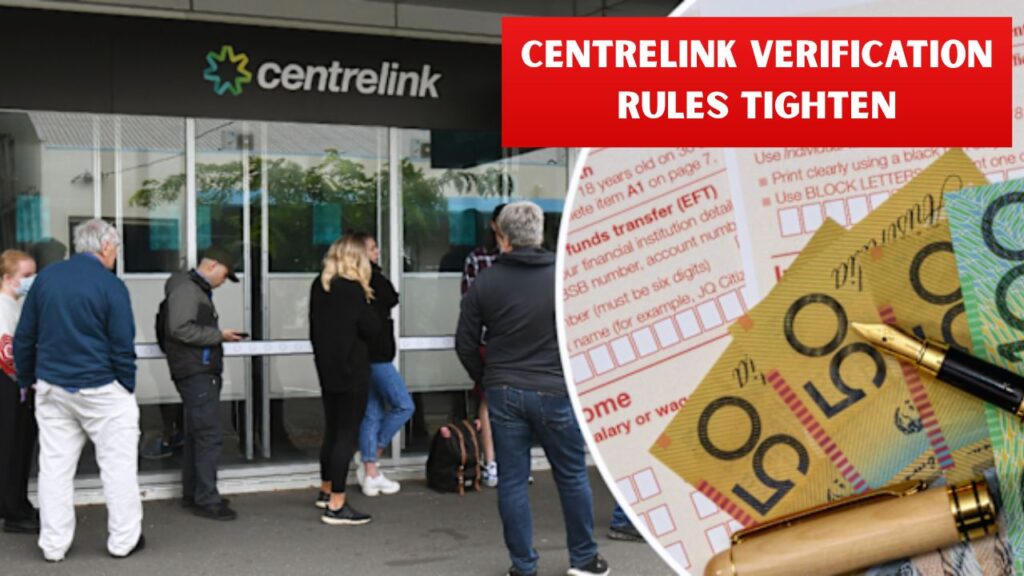
New Centrelink Verification Rules Explained
The new Centrelink verification rules aim to strengthen how personal details are checked before payments get approved. The government wants to cut down on payment errors and keep records current but claimants will need to put in more work.
Identity Cross-checks: Centrelink now runs identity checks across multiple sources. Applicants must submit extra documents or go through more detailed background checks before their claims get handled.

Income Matching Systems: Income reporting no longer relies just on what people declare themselves. The Australian Taxation Office now matches income data to make sure all reported income is correct. This update should reduce mistakes and inconsistencies in income reporting.
Document Upload Requirements: Submitting documents used to be optional in certain situations but the new rules require all claimants to upload digital proof of their circumstances. This might include payslips and bank statements along with other evidence of income or assets.
These steps are meant to make the welfare system work better by stopping fraudulent claims and making sure only people who genuinely need help receive it. The downside is that the extra requirements mean claimants need to stay organized and take action early to avoid delays in processing their claims.
How the Centrelink Claims Process Is Changing
Under the new system the Centrelink claims process will work differently. Online applications will still be the preferred method but they now include extra verification steps. Applications will be checked against real-time data including bank details and residency information.
This means the information you provide must match what other government agencies have on file. Fewer claims will be approved automatically because of these extra checks.
More applications will need assessment especially if you have a complicated family situation or your work hours change regularly. You may need to provide extra evidence to support your claim.
If you have irregular work hours or family responsibilities you might receive more requests for documents to prove you are eligible. The government says these changes will make the system fairer and more accurate but you should expect longer waiting times.
Make sure all your information is correct when you first submit it. If you make mistakes your payments could be put on hold or your claim might need a manual review which takes even longer to complete.
What the New Rules Mean for Australians
The impact of the new Centrelink verification rules will vary depending on individual circumstances but some groups may experience more significant delays than others. Seniors who rely on the Age Pension or other forms of income support may see longer assessment periods especially during peak claim times.

The extra paperwork and verification required may present challenges for older Australians who are not as familiar with digital processes. Australians receiving JobSeeker payments will likely experience longer processing times particularly if their income fluctuates or if they are in complex employment situations.
With stricter income matching and document submission requirements job seekers will need to keep their records up to date and be prepared to submit additional documentation on a regular basis. Those receiving support through Parenting Payments or Disability Support Payments may also be affected especially if they have caregiving responsibilities or their work hours change frequently.
The new rules will require these individuals to submit more detailed information about their financial and family situations which may result in more frequent checks and evidence requests. One significant challenge for some claimants will be the increased reliance on digital platforms for submitting documentation.
While the system is designed for ease of use for most people those with limited online access or digital literacy may struggle with the new requirements. For these individuals the government will need to provide support to ensure that they can still meet the verification requirements without facing barriers.
How to Prepare for the Updated Centrelink Verification Process
To prevent delays and make sure claims go through without problems claimants need to get ready for the new verification process. Here are some useful steps that can help. Keep everything organized by maintaining all required documents in current condition and easy to reach.
This means payslips and bank statements along with proof of where you live. When everything is properly arranged there will be less chance of information going missing and fewer holdups. Check your Centrelink account on a regular basis to make sure all details are correct and current.
This involves looking at personal information and income details as well as family situation. Keeping the account updated will lower the chance of problems during verification. Answer requests quickly because Centrelink will probably send more frequent requests for documents or additional information.
Responding to these requests fast is essential to prevent payment interruptions or delays. Quick responses help stop your case from being sent for manual review. Learn about the new requirements by getting familiar with the new verification process & what documents you need to provide.
If anything about the process is unclear get help from Centrelink or community support services. Knowing how the new system works helps you avoid errors and makes things go more smoothly. Keep yourself updated since the government will probably share regular information about the new Centrelink rules and any process changes. Stay aware of developments that might impact your claims or eligibility and make sure you know how to work with the new system.
Adapting to the New Centrelink Verification System
Starting from 8 February 2026, Centrelink will implement stricter verification rules for welfare claims. This represents a major change in how Australia’s welfare system functions. The government designed these changes to cut down on fraud and make payments more accurate. However, claimants will need to become better organized and more proactive in their approach. Under the new system people applying for benefits must respond quickly to requests and keep their documentation in order. Those who understand what the new rules require will have a better chance of avoiding payment delays. It is important for Australians to stay ahead of the verification process to keep receiving their support without interruption.