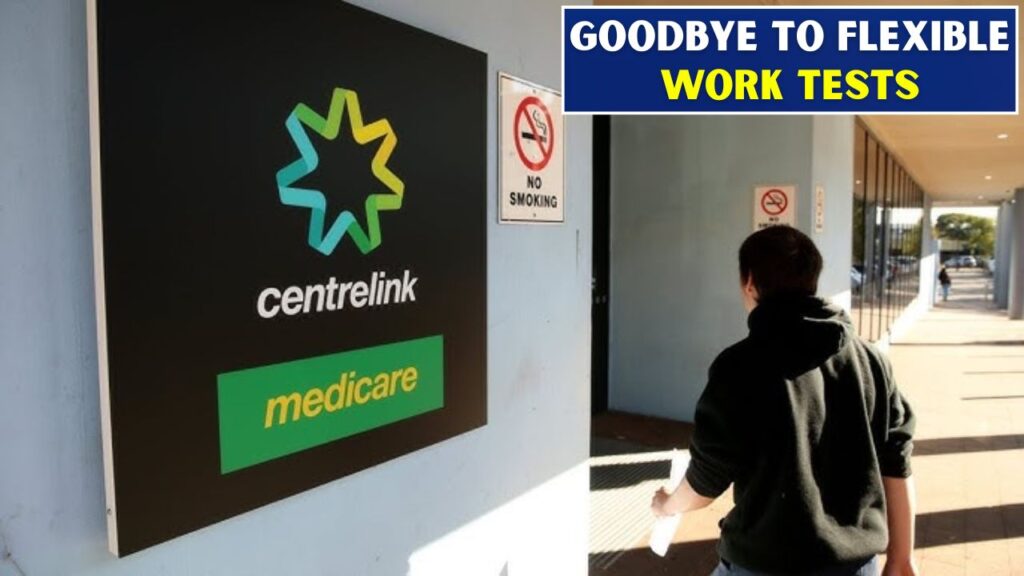
Australia’s welfare system is set for a major shift as stricter Centrelink job rules come into effect from 8 February 2026. One of the biggest changes is the removal of flexible work tests, which previously allowed job seekers, carers, and part-time workers to meet their obligations under more lenient conditions. Until now, many people could balance income support with health issues, caregiving duties, or study commitments. Under the new framework, compliance will be stricter, with a stronger focus on verified work capacity and clear evidence of active job searching. These changes will significantly affect Australians receiving income support, reshaping job search expectations, participation requirements, and the penalties for non-compliance. For many recipients, adapting to the new system will be essential to avoid payment disruptions.
What Is Changing Under the New Centrelink Work Rules?
From 8 February 2026, Centrelink will apply tougher standards when assessing the work capacity of people receiving income support. The earlier system allowed greater flexibility for individuals with partial work capacity, including parents, carers, and those managing medical conditions. These recipients could previously meet their obligations through reduced working hours or alternative approved activities. Under the revised rules, recipients will be expected to show stronger efforts toward employment. This includes meeting higher job search targets, providing proof of job applications and interviews, and participating in approved employment programs. The government’s aim is to boost workforce participation and reinforce the idea that income support is a temporary safety net rather than a long-term arrangement. With rising economic pressures and labour shortages, the government believes stricter rules will help sustain the welfare system. However, many Australians will need to reassess their job plans, update medical or caring evidence, and communicate clearly with Centrelink to understand how the new requirements apply to them.
How the End of Flexible Work Tests Affects JobSeeker Recipients
JobSeeker recipients will feel the impact of these changes more than most. Previously, people facing health challenges, caring responsibilities, or other barriers could qualify for reduced or flexible job search obligations. From February 2026, the compliance framework will demand higher levels of job-seeking activity and more frequent checks. This means JobSeeker recipients may find it harder to combine part-time work with income support. They will be expected to actively pursue suitable employment and remain engaged with employment services. Failure to meet the updated obligations could lead to penalties such as payment reductions, temporary suspensions, or demerit points. While the government has confirmed that job matching and training services will continue, recipients will be required to engage more actively with these supports. Staying informed and consistently meeting the new compliance standards will be crucial to maintaining payments.

Impact on Part-Time Workers and Carers
The new Centrelink rules will also affect part-time workers and carers receiving payments such as Parenting Payment or the Disability Support Pension. In the past, reduced work requirements were common for people balancing caregiving responsibilities or health limitations. Under the tightened system, these concessions will be more limited. Although support for people with partial work capacity will remain, recipients will be encouraged to accept a wider range of employment options, including part-time and casual roles. The emphasis will be on demonstrating genuine efforts to participate in the workforce, whether through short-term or ongoing employment. For carers and individuals with health challenges, this may require updating job plans and reassessing personal circumstances. Ongoing communication with Centrelink will be important to ensure mutual obligation agreements accurately reflect current capacity and responsibilities.
Stricter Centrelink Compliance Monitoring Explained
Compliance monitoring under Centrelink will become more rigorous under the new framework. Previously, reviews were less frequent and reporting requirements were relatively minimal. From February 2026, recipients will face more regular checks on job search activity and participation in approved programs. Digital reporting will play a larger role, requiring recipients to submit accurate and timely records of their job search efforts. Keeping documentation up to date will be essential, as failure to comply could result in payment suspensions or reductions. The government’s move toward tighter monitoring reflects a broader push for consistency and accountability across the welfare system.
Why the Government Is Encouraging Longer Workforce Participation
The push for stricter job rules is closely linked to Australia’s changing demographics. An ageing population means fewer workers are supporting a growing number of retirees, placing pressure on public finances. Encouraging people with partial work capacity to remain engaged in the workforce is seen as one way to address this imbalance. At the same time, the government aims to reduce long-term welfare reliance by setting clearer and more consistent expectations. By strengthening job participation requirements, policymakers hope to promote financial independence while supporting economic growth.
How Australians Can Prepare for the New Centrelink Rules
Australians receiving income support can take several steps to adapt smoothly to the new rules:

Review your job plan: Ensure your job plan accurately reflects your current work capacity. Submit updated medical or caregiving evidence if applicable.
Set realistic job search goals: Understand the new requirements and plan applications across a wider range of suitable roles, including part-time and casual work.
Stay informed: Read all Centrelink communications carefully and keep up with reporting deadlines to avoid penalties.
Use available support: Engage with employment services, training programs, and job matching tools to improve compliance and employment outcomes.
By staying proactive and informed, recipients can better navigate the transition and reduce the risk of payment disruptions under the new Centrelink job rules.