From February 2026, Centrelink services across Australia are entering a new phase, and many people may notice the difference right away. The era of quick, low-friction claims is ending as stricter identity and verification measures come into force. These changes are designed to improve system integrity, but they also mean claimants will need to be more prepared. With new checks starting on 10 February 2026, anyone applying for payments or updating details should understand what’s changing, why it matters, and how to avoid unnecessary delays.
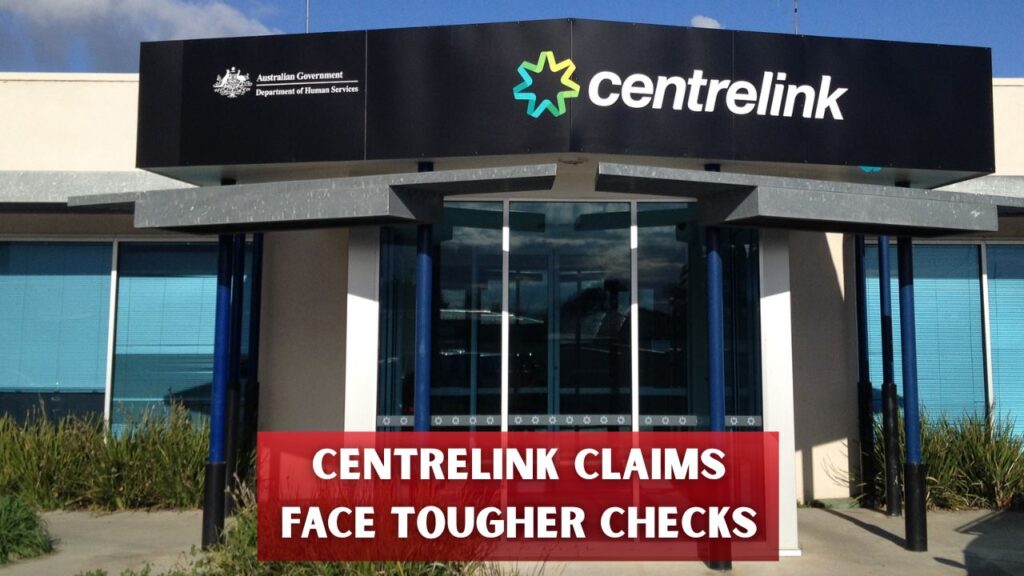
Centrelink claims face tougher verification
The updated Centrelink claims process introduces more detailed identity checks at multiple stages. Applicants may now be asked to provide extra documents, attend digital or in-person verification, or confirm information through linked government services. While this may feel inconvenient, officials say it reduces fraud and errors. For everyday Australians, the key shift is that claims will no longer move forward without complete verification. Missing paperwork can pause an application, making identity proof essential, document accuracy matters, claims move slower, and checks happen early in the process.
New Centrelink identity checks explained
Under the new rules, identity checks will apply not just to new claims but also to certain updates and reviews. This means even long-term recipients may need to re-verify details if prompted. Digital ID systems will play a bigger role, but manual checks haven’t disappeared. The aim is to ensure payments go to the right person at the right time. Claimants should expect stronger fraud controls, more data matching, extra verification steps, and clearer identity standards across most Centrelink services.

How stricter Centrelink rules affect you
For individuals and families relying on Centrelink support, preparation is now more important than ever. Having documents ready before starting a claim can save weeks of waiting. These changes may also affect vulnerable groups, including older Australians and those with limited digital access. Planning ahead helps reduce stress and avoids payment gaps. From February 2026, expect longer processing times, higher documentation needs, fewer instant approvals, and greater personal responsibility when dealing with Centrelink.
What this shift really means
At its core, the new verification framework signals a cultural change in how Centrelink operates. Speed is no longer the top priority; accuracy and accountability are. While this may initially frustrate some users, the long-term goal is a fairer and more secure system. People who stay informed and organised will adjust more smoothly than those caught off guard. Understanding the process supports better claim outcomes, reduced payment errors, system trust rebuilds, and future compliance ease for all claimants.
| Aspect | Before Feb 2026 | After Feb 2026 |
|---|---|---|
| Identity checks | Basic verification | Multi-step verification |
| Document requests | Limited | More detailed |
| Processing speed | Often faster | Potentially slower |
| Fraud prevention | Standard | Enhanced controls |
| Claim preparation | Minimal | High importance |
Frequently Asked Questions (FAQs)
1. When do the new Centrelink checks start?
The stricter identity and verification checks begin on 10 February 2026.

2. Do existing Centrelink recipients need to re-verify?
Some existing recipients may be asked to re-verify details during reviews or updates.
3. Will claims take longer to process?
Yes, claims may take longer if additional documents or checks are required.
4. How can I avoid delays?
Preparing accurate identity documents before applying can help prevent delays.