Rising power prices have pushed energy costs to the top of household concerns, and the Centrelink Energy Rebates 2026 aim to ease that pressure for many families across Australia. Under this initiative, eligible households will see automatic electricity bill discounts applied directly, reducing out-of-pocket expenses without complex paperwork. The launch reflects a broader effort by the Australian government to support low- and middle-income residents, pensioners, and concession card holders as energy markets remain volatile. For many, these rebates could provide timely relief during periods of high usage.
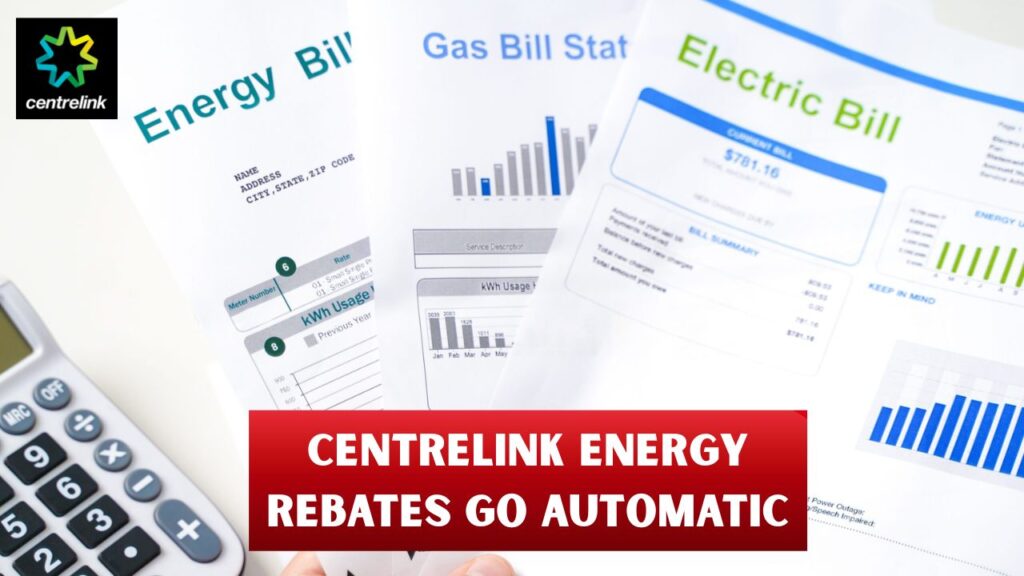
Centrelink Energy Rebates 2026 eligibility details
Eligibility for the Centrelink Energy Rebates 2026 is designed to cover households most affected by rising electricity costs. Generally, recipients of certain Centrelink payments or concession cards are included, such as age pensioners, carers, and low-income families. The system focuses on household income limits, approved concession cards, residential power accounts, and primary residence status. Importantly, eligible customers do not need to submit separate applications in most cases, as data matching between Centrelink and energy providers enables automatic processing. This streamlined approach ensures support reaches those who need it without unnecessary delays or confusion.
How automatic electricity bill discounts work
One of the most practical features of the 2026 rebates is how seamlessly they are delivered. Once eligibility is confirmed, energy retailers apply the discount directly to the customer’s electricity bill. This means households benefit from automatic bill credits, no manual claims, direct retailer adjustments, and visible invoice reductions. The rebate may appear as a lump sum or spread across billing cycles, depending on the provider. For consumers, this removes the burden of tracking payments and ensures savings are reflected clearly on regular statements.
Impact of Centrelink energy rebates on households
The broader impact of the Centrelink Energy Rebates 2026 goes beyond short-term savings. By lowering regular power bills, the program helps households manage tighter budgets and redirect funds to essentials like food and healthcare. Many families experience reduced energy stress, better budget stability, seasonal cost relief, and predictable savings. Over time, these rebates can make a noticeable difference, especially during winter or summer peaks when electricity use — and costs — tend to rise sharply.
Overall analysis of the 2026 energy rebate rollout
From a policy perspective, the 2026 rollout signals a shift toward more efficient support delivery. Automatic discounts reduce administrative overhead and ensure eligible households are not left behind due to missed applications. The approach promotes system efficiency gains, fairer cost distribution, targeted financial support, and long-term affordability goals. While rebates alone cannot solve energy affordability challenges, they act as a crucial buffer for vulnerable Australians navigating uncertain energy markets.
| Category | Details | Applies To |
|---|---|---|
| Eligibility Basis | Centrelink payments or concession cards | Low-income households |
| Delivery Method | Automatic bill discount | Electricity accounts |
| Application Required | No separate application | Most eligible users |
| Timing | Applied during billing cycle | 2026 onwards |
| Benefit Type | Reduced electricity charges | Eligible households |
Frequently Asked Questions (FAQs)
1. Who qualifies for the Centrelink Energy Rebates 2026?
Most Centrelink payment recipients and concession card holders with residential electricity accounts qualify.

2. Do I need to apply separately for the rebate?
No, the discount is usually applied automatically through data matching.
3. How will the rebate appear on my bill?
It will show as a credit or reduction on your electricity invoice.
4. Does the rebate apply to gas bills too?
The program mainly targets electricity bills, though some states may offer separate gas support.