Deeming rates will increase for the first time this decade in just a few days. They have stayed the same since 2020 because of the pandemic and rising inflation & to help people deal with the cost of living. The government froze these rates to provide relief during difficult economic times. Now officials have decided it is time to adjust them again. This change will affect many people who receive social security payments. Deeming rates are used to calculate how much income the government assumes you earn from your financial investments. This assumed income can reduce the amount of pension or benefits you receive. When deeming rates go up it means the government thinks your investments are earning more money. People who have savings accounts or other investments will see this change impact their payments. The increase comes after several years of keeping rates at historic lows. Many retirees and benefit recipients will need to prepare for smaller payments once the new rates take effect. The decision to raise deeming rates reflects current economic conditions. Interest rates have been climbing in recent months as central banks try to control inflation. The government believes financial investments are now generating higher returns than they were during the pandemic period. This upcoming change marks a significant shift in policy after years of maintaining frozen rates. Those affected should review their financial situation and understand how the new deeming rates will influence their government payments.
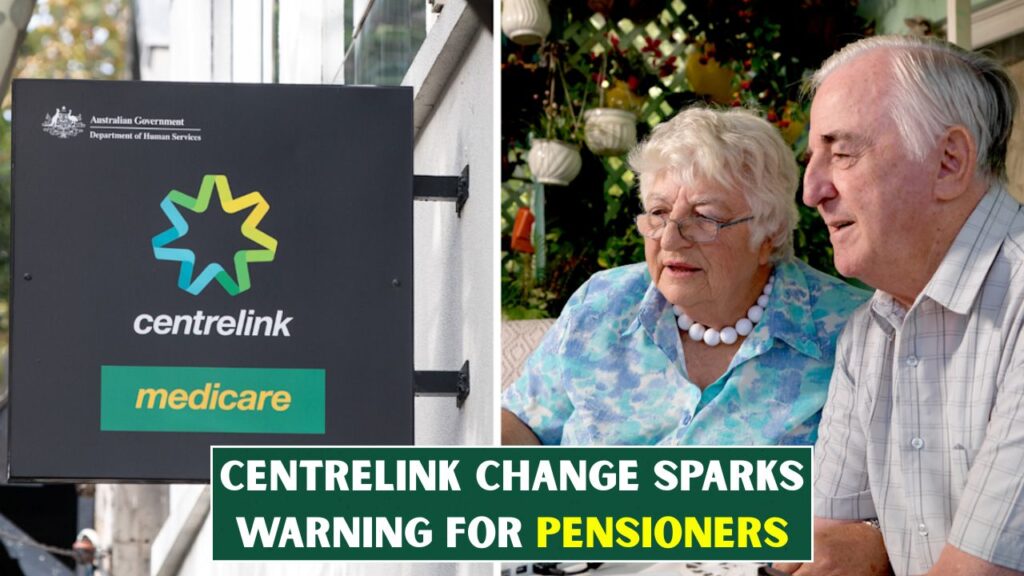
The government has decided that the economy is recovering well enough to finally let the rates return to normal levels. Social Services Minister Tanya Plibersek said deeming rates will go back to their pre-pandemic settings on February 20. She explained that this change will reflect the rates of return that pensioners and other payment recipients can reasonably expect to earn on their investments.
What Are Deeming Rates and How Do They Work?
Deeming rates represent the assumed rates of return that the government uses to calculate how much income people earn from their financial assets. These assets include shares, superannuation funds, and bank accounts. The government applies these standardized rates rather than using the actual income that individuals receive from their investments. This approach helps determine eligibility for various government benefits and pensions. When assessing whether someone qualifies for financial assistance the government calculates deemed income by multiplying the total value of financial assets by the applicable deeming rate. There are typically two different deeming rates that apply depending on the total value of financial assets held. A lower rate applies to assets up to a certain threshold while a higher rate applies to assets above that threshold. These rates are set by the government and are reviewed periodically to reflect changes in economic conditions and interest rate environments. The deeming system affects many Australians who receive age pensions or other income-tested government payments. It means that even if someone’s actual investment returns are lower than the deeming rates, the government still assumes they are earning the deemed amount when calculating their entitlements. Conversely, if actual returns are higher than the deeming rates, the person may benefit because only the deemed income is counted rather than their actual higher earnings. This system aims to create fairness & consistency in how investment income is treated across different types of financial assets. Without deeming rates, people could potentially structure their investments to minimize reported income and maximize government benefits. The standardized approach prevents this while also simplifying the assessment process for both applicants & government agencies.

They impact means testing for Centrelink payments, including the Age Pension, JobSeeker, and parenting payments.
The rates have stayed at 0.25 per cent and 2.25 per cent since 2020 without any changes.
For singles:
- The first $64,200 of your financial assets has a deemed rate of 0.25 per cent.
- Anything over $64,200 is deemed to earn 2.25 per cent.
For couples:
- The first $106,200 of your combined assets has a deemed rate of 0.25 per cent.
- Anything over $106,200 is deemed to earn 2.25 per cent.
Centrelink applies this calculation approach to determine if you qualify for specific benefits that consider your expected future earnings along with additional income sources such as retirement savings. The system evaluates your financial situation by looking at what you will earn going forward rather than just your current circumstances. This forward-looking assessment helps establish whether you meet the requirements for particular payment types. When Centrelink examines your case they review multiple financial factors together. Your projected income forms one part of the evaluation while other monetary resources including superannuation funds contribute to the overall picture. This methodology ensures that payment decisions reflect your actual financial capacity. By incorporating future income projections the assessment provides a more complete view of your economic position. The process takes into account various income streams that might affect your eligibility. Superannuation represents just one example of the additional financial resources that Centrelink considers during their evaluation. Understanding this assessment method helps you prepare the necessary information when applying for benefits. You need to provide details about your anticipated earnings and disclose other sources of funds that might influence the outcome. Centrelink designed this system to make fair determinations about who should receive assistance. The approach balances immediate needs against future financial prospects to allocate resources appropriately.
About 771,000 Australians who get government welfare payments also have other income that is affected by deeming rates. This group includes roughly 460000 aged pensioners along with 96,000 people receiving JobSeeker payments and 62,000 people on disability support pensions. The deeming rules impact how much welfare these people can receive based on their additional income sources.
What Will the New Deeming Rates Be?
The lower deeming rate will increase to 0.75 percent starting from February 20.
The upper rate will increase by the same 0.5 percent amount to reach 2.75 percent for assets that exceed both threshold limits.
The Social Services Minister said this would be the first in a series of gradual increases to the deeming rate.
# Centrelink Payment Increases Coming February 20

February 20 marks an important date for many Australians receiving government support. Several Centrelink payments will increase on this day because of indexation adjustments. Indexation is a system that adjusts payment amounts based on changes in the cost of living. This ensures that government benefits keep pace with rising expenses like groceries and rent. The adjustments happen twice each year to help recipients maintain their purchasing power. The February increase will affect multiple payment categories. Age Pension recipients will see their fortnightly payments rise. Disability Support Pension amounts will also go up on the same date. JobSeeker payments will receive an adjustment as well. These increases happen automatically. Recipients do not need to contact Services Australia or submit any paperwork. The new amounts will simply appear in regular payment schedules starting from February 20. The indexation process uses specific economic indicators to calculate the increases. The Consumer Price Index and the Pensioner and Beneficiary Living Cost Index both play roles in determining the new rates. These measures track how much everyday items cost over time. For people relying on these payments the increases provide important financial relief. Even small adjustments can make a meaningful difference when managing household budgets. The regular indexation schedule helps ensure that government support remains relevant as living costs change. Recipients should check their myGov accounts after February 20 to confirm their new payment amounts. Services Australia will also send notification letters explaining the changes. Anyone with questions can contact the agency directly through their online services or by phone.
The Australian Government Actuary will control decisions about raising lowering or keeping deeming rates the same after that point. Plibersek explained that this organization can provide guidance to the government about the best rate that matches current economic conditions. However some level of supervision will remain in place.
The government will keep its authority to make changes when necessary including in unusual situations or emergencies she added.
Why Are the Deeming Rates Changing?
The government decided to freeze deeming rates when the decade began during the pandemic crisis. Deeming rates are used to calculate how much income pensioners are assumed to earn from their financial investments. These rates stayed locked at their existing levels while the nation dealt with widespread health and economic challenges. The freeze meant that pensioners continued to be assessed under the same income assumptions regardless of actual market conditions or interest rate changes happening around them. This policy decision provided stability for retirees during an uncertain period. Many older Australians rely on the age pension as their primary income source. By keeping deeming rates unchanged the government ensured that pension payments would not be reduced due to theoretical investment returns that might not reflect reality. The freeze remained in place while authorities focused on managing the health emergency and supporting the economy. Financial markets experienced significant volatility during this time and actual returns on savings and investments varied considerably. The static deeming rates meant that pension calculations stayed consistent even as the broader economic landscape shifted dramatically. This approach gave pensioners predictable income during a time when many other aspects of daily life had become unpredictable. The government maintained this freeze as part of its broader support measures for vulnerable Australians navigating the challenges brought on by the global health crisis.
The rate usually follows the official cash rate set by the Reserve Bank of Australia or RBA.
In the middle of 2022 the central bank started raising interest rates. The cash rate increased from its record low of 0.10 per cent to 4.35 per cent which was the highest level in 13 years.
The government decided to keep council tax rates at the same level. This would stop people from facing two financial problems at once.
Headline inflation has been steadily declining from its peak of 7.8 percent in December 2022 to reach 2.1 percent by the February 2026 quarter.
Interest rates have dropped three times this year and might decrease again in November. This would result in the cash rate falling by 1 per cent during 2026.