Australia is dealing with another round of harsh weather as extreme heat & heatwave warnings spread across much of the country. Communities from the tropical north to southern cities are facing intense heat along with destructive storms and increased bushfire danger. Knowing what is happening and how it impacts everyday life and how to get ready can help people stay safe. The current weather pattern brings temperatures well above normal for this time of year. Many regions are recording highs that break previous records. The heat is not just uncomfortable but poses real health risks especially for vulnerable groups like the elderly and young children. People with existing medical conditions also face greater danger during these extreme conditions. Heatwaves occur when hot air masses settle over an area for several days. This creates sustained high temperatures during both day and night. When temperatures stay elevated overnight the body cannot recover properly. This lack of cooling makes the heat more dangerous over time. Northern Australia typically experiences hot weather but the current conditions are exceptional even for that region. Coastal areas usually benefit from sea breezes but the heat has been so intense that even these areas are struggling. Inland communities face even harsher conditions with some towns recording temperatures above 45 degrees Celsius. Southern cities are also experiencing unusual heat. Places that normally enjoy milder weather are seeing temperatures climb into the high 30s and low 40s. This sudden heat catches many residents unprepared since their homes and lifestyles are not designed for such extreme conditions. The combination of heat and dry conditions creates perfect circumstances for bushfires. Fire authorities have issued warnings across multiple states. Even small fires can spread rapidly in these conditions. Communities in fire-prone areas need to stay alert & follow their bushfire survival plans. Severe storms have also developed in some regions. The contrast between hot air masses and cooler systems can trigger powerful thunderstorms. These storms bring damaging winds and heavy rain but often provide little relief from the heat. The rain evaporates quickly and temperatures rise again soon after. Health services are preparing for increased demand during this weather event. Hospitals often see more patients with heat-related illnesses during heatwaves. Ambulance services report higher call volumes. People need to recognize the signs of heat exhaustion & heat stroke to seek help quickly. Heat exhaustion symptoms include heavy sweating along with weakness and dizziness. The skin may feel cool and clammy. Nausea & headaches are also common. If someone shows these signs they need to move to a cool place and drink water slowly. Heat stroke is more serious and requires immediate medical attention. Signs include a body temperature above 40 degrees & hot dry skin. The person may seem confused or lose consciousness. This is a medical emergency that can be fatal without quick treatment. Staying safe during extreme heat requires planning and common sense. People should stay indoors during the hottest parts of the day when possible. Air conditioning provides the best protection but not everyone has access to it. Public libraries and shopping centers offer cool spaces for those who need them. Drinking plenty of water is essential even when not feeling thirsty. The body loses fluid through sweating and this needs to be replaced constantly. Alcohol and caffeine should be avoided since they can lead to dehydration. Light loose clothing helps the body stay cooler. Dark colors absorb more heat so lighter shades are better choices. Hats and sunscreen protect against sunburn which can interfere with the body’s cooling system. Checking on neighbors and relatives is important during heatwaves. Elderly people living alone may not realize how hot their homes have become. A quick phone call or visit can make sure they are coping and have what they need. Pets and animals also suffer in extreme heat. They need access to shade and plenty of fresh water. Dogs should not be walked during the hottest hours. Leaving animals in cars even for a few minutes can be deadly. The bushfire threat means people in at-risk areas must stay informed. Fire danger ratings tell residents how serious the risk is each day. On days of extreme or catastrophic fire danger it may be safer to leave early rather than wait to see if a fire starts. Having a bushfire plan is not optional for people in fire-prone regions. The plan should include what to do if a fire threatens and when to leave. Waiting until the last minute often leads to dangerous situations. Preparing homes can reduce bushfire risk. Clearing gutters and removing dry vegetation from around buildings helps. Having hoses and water supplies ready gives options if embers start spot fires. The economic impact of extreme weather is significant. Businesses lose productivity when workers cannot function properly in the heat. Agriculture suffers as crops & livestock struggle with the conditions. Power networks face strain as everyone turns on air conditioners at once. Energy providers ask consumers to reduce usage during peak times to prevent blackouts. Simple actions like setting air conditioners a few degrees higher and turning off unnecessary appliances can help. Blackouts during heatwaves create dangerous situations for vulnerable people. Transport systems also feel the effects of extreme heat. Roads can buckle and rail lines can warp in very high temperatures. Flights may be delayed or cancelled if conditions exceed aircraft operating limits. Climate scientists point out that these extreme weather events are becoming more frequent and intense. Australia has always experienced hot weather & bushfires but the patterns are changing. Heatwaves last longer and temperatures reach higher peaks than in previous decades. Understanding this trend helps communities prepare better for future events. Infrastructure needs to be designed with more extreme conditions in mind. Emergency services require adequate resources to respond to multiple incidents at once. Individual preparation remains the most important factor in staying safe. Waiting for authorities to provide help during a crisis may not be realistic when resources are stretched thin. Taking personal responsibility for safety and having supplies ready makes sense. Basic emergency supplies should include water for several days along with non-perishable food. A battery-powered radio provides information if power goes out. First aid supplies and any necessary medications should be easily accessible. Keeping important documents in a waterproof container means they can be grabbed quickly if evacuation becomes necessary. Having a list of emergency contacts and knowing where to go if leaving home is required are also important steps. The current weather situation will eventually pass but the need for preparedness remains constant. Australia’s climate means extreme weather will always be part of life here. Learning from each event & improving readiness helps communities become more resilient. Staying informed through official sources is crucial during weather emergencies. The Bureau of Meteorology provides forecasts and warnings. State emergency services give specific advice for different situations. Social media can spread rumors quickly so checking official channels ensures accurate information. Taking extreme weather seriously saves lives. The heat may seem manageable at first but conditions can deteriorate quickly. Bushfires can change direction without warning. Being cautious and prepared is always better than taking unnecessary risks. As Australia continues to face these challenging conditions the focus must remain on safety & community support. Looking out for each other and following expert advice helps everyone get through difficult times. The weather will cool eventually but the lessons learned should shape how we prepare for the next event.
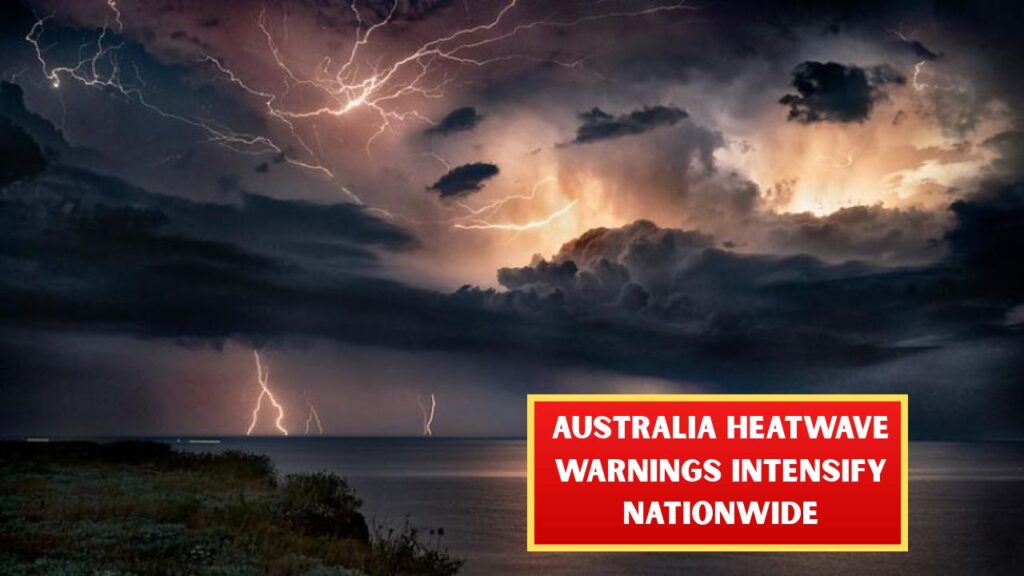
What’s driving the extreme weather?
Several factors are combining to produce prolonged high temperatures and unstable weather systems. Key contributors include persistent high-pressure systems bringing extended clear skies and intense sunlight, warm ocean currents that increase humidity and fuel storm development, and climatic patterns such as El Niño, which typically raise temperatures and disrupt normal rainfall patterns.
These conditions are not isolated. Meteorologists note that the intensity and frequency of heat events have increased over recent decades, aligning with broader climate change trends observed across Australia.

Heatwave warnings and health risks
Heatwaves pose serious health risks, particularly for young children, older adults, and people with existing medical conditions. Heat-related illness can range from mild heat exhaustion to life-threatening heatstroke.
# Warning Signs Include:
Physical Symptoms
Your body often shows the first signs that something is wrong. You might notice constant tiredness that sleep does not fix. Headaches can become more frequent or intense. Your muscles may feel tense or sore without any clear reason. Some people experience stomach problems or changes in their appetite. Sleep patterns might shift as you struggle to fall asleep or wake up too early.
Emotional Changes
Your mood can signal problems before you fully recognize them yourself. Feeling sad or empty for extended periods is a common indicator. Anxiety might increase and make everyday tasks feel overwhelming. Irritability can surface more easily than usual. You may lose interest in activities that once brought you joy. Some people feel numb or disconnected from their emotions entirely.
Behavioral Shifts
The way you act can reveal underlying issues. You might withdraw from friends and family without meaning to. Work performance often declines when something is wrong. Some people turn to alcohol or other substances more frequently. Neglecting personal hygiene or responsibilities can happen gradually. Risky behaviors might increase as judgment becomes impaired.
Cognitive Difficulties
Mental processes can become harder when problems develop. Concentration may suffer and make simple tasks take longer. Memory problems might emerge and cause you to forget important details. Decision making becomes more difficult even for minor choices. Negative thoughts can dominate your thinking patterns. Some people experience confusion or disorientation.
Social Warning Signs
Relationships often reflect your internal state. Conflicts with others may increase in frequency or intensity. You might feel isolated even when surrounded by people. Communication can become strained or difficult. Some people lose interest in maintaining their social connections. Misunderstandings with loved ones may occur more often.
Changes in Daily Functioning

Your ability to handle routine activities can indicate problems. Getting through a normal day might feel exhausting. Productivity at work or school often drops. You may struggle to complete tasks you once handled easily. Time management becomes challenging. Basic self care might feel like too much effort. Recognizing these warning signs early allows for better outcomes. If you notice several of these indicators persisting over time you should consider reaching out for support. Professional help can provide guidance & tools to address these concerns before they become more serious.
- Heavy sweating, weakness, or dizziness
- Headaches and nausea
- Confusion or fainting
- Very high body temperature, rapid pulse, or loss of consciousness
To reduce risk, it is important to drink water regularly, avoid strenuous outdoor activity during the hottest parts of the day, and spend time in shaded or air-conditioned spaces. Checking on vulnerable neighbours, family members, and pets can also help prevent serious outcomes.
Impacts on infrastructure and services
Extreme heat and storms place significant strain on infrastructure across Australia. Roads can buckle, rail services may be disrupted, and electricity networks face increased demand. Emergency services often experience higher call volumes related to heat illness, bushfires, and storm damage.
Local authorities may issue travel advisories, activate emergency response plans, open cooling centres, or enforce water restrictions in drought-affected areas. Businesses and schools may adjust operating hours or move to remote arrangements to protect staff and students.
Bushfire risk and preparedness
High temperatures, low humidity, and dry vegetation sharply increase bushfire risk during heatwave periods. Fire authorities closely monitor conditions and may declare total fire bans or issue evacuation warnings.
# Preparation Steps Include
The preparation process involves several important actions. You need to gather all necessary materials before you start. Make sure your workspace is clean and organized. Review the instructions carefully to understand each requirement. Check that you have the right tools for the task. Verify that all equipment functions properly. Set aside enough time to complete the work without rushing. Create a clear plan that outlines each stage of the process. Identify potential problems that might occur. Think about solutions before you begin working. Arrange your materials in the order you will use them. This makes the workflow smoother and more efficient. Remove any items that might cause distractions or obstacles. Take measurements if the task requires precision. Write down important numbers and specifications. Double-check your calculations to avoid mistakes. Prepare any safety equipment you might need. Read all warning labels on materials & tools. Make sure you understand proper handling procedures. Set up good lighting in your work area. Ensure you have adequate ventilation if working with chemicals or strong odors. Keep emergency supplies nearby just in case. Inform others about your project if it might affect them. Coordinate schedules to avoid conflicts. Ask for help if certain steps require more than one person. Review your preparation checklist one final time. Confirm that nothing has been overlooked. Once everything is ready you can begin the actual work with confidence.
- Creating a bushfire survival plan and sharing it with household members
- Clearing gutters and maintaining defensible space around homes
- Keeping vehicles fuelled and emergency kits ready
- Following official fire authority advice and evacuation orders
How communities and individuals can respond
Community resilience plays a vital role during extreme weather events. Local councils, volunteer organisations, and neighbours can help support those most at risk.
Practical actions include:
- Signing up for local emergency alerts and weather updates
- Keeping an emergency kit with water, food, medications, and essential documents
- Knowing the location of nearby cooling centres or air-conditioned public spaces
- Limiting outdoor work during peak heat and rotating tasks when possible
Businesses can contribute by implementing heat-safe work policies, providing shaded rest areas, and ensuring contingency plans are in place for service disruptions.
Looking ahead: long-term adaptation
Australia’s repeated exposure to extreme weather highlights the need for long-term adaptation. Strengthening infrastructure, improving early warning systems, adopting bushfire-resilient building standards, and investing in energy grid upgrades are all critical steps.
Policy development, urban planning, and community education will play key roles. Individuals can help by reducing energy use during peak demand, supporting local preparedness initiatives, and advocating for climate-resilient planning in their communities.
Final note
Australia faces ongoing extreme weather and heatwave warnings that threaten public safety along with infrastructure & natural ecosystems. People can reduce potential harm by staying informed & preparing ahead of time while also helping vulnerable community members. It remains important to follow official weather services & health advisories as long as warnings stay active. The country experiences these dangerous conditions regularly during certain seasons. Authorities issue warnings to help residents take necessary precautions. Simple steps like checking weather updates & having emergency supplies ready make a real difference when temperatures climb to dangerous levels. Communities should pay special attention to elderly neighbors and those with health conditions who face higher risks during extreme heat. Local emergency services provide guidance on how to stay safe & what actions to take when conditions worsen.